

Última actualización: Abril 2021
Descargar
| MUY BAJO | BAJO | MEDIO | ALTO | EXTREMO |
|
Político
|
Estabilidad política |
|
| Regulatoria |
|
|
| Contractual |
|
|
| Integridad |
|
|
| Soberano |
|
|
Operativo
|
Institucional |
|
| Insfraestructura |
|
|
| Laboral |
|
|
Seguridad
|
Delincuencia |
|
| Terrorismo |
|
|
| Conflicto armado |
|
|
| Disturbios civiles |
|
|
| Secuestro |
|
|
Cibernético
|
Ciber extorsión |
|
| Fuga datos |
|
|
| Ataque disruptivo |
|
|
| Espionaje |
|
|
| Fraude financiero |
|
|
Salud
|
Salud |
|
|
Natural
|
Natural |
|

COVID-19
FMI
Índice
Democracia
Desarrollo
Humano
Negocios

Percepción
Corrupción
Paz Global

Cibermapa
Kaspersky

Seguridad
Sanitaria
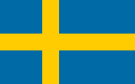
Suecia es una de las democracias occidentales más estables. Tiene una monarquía constitucional y una democracia parlamentaria. El papel de la monarquía es predominantemente ceremonial; el poder legislativo recae en el Riksdag, un parlamento unicameral cuyos 349 miembros son elegidos directamente para un mandato de cuatro años por representación proporcional. El Jefe del Estado es el Rey Carlos XVI Gustavo (desde 1973), mientras que el Primer Ministro es Stefan Löfven (socialdemócratas (S)). Además, los actuales partidos gobernantes son los socialdemócratas (S) y el Partido Verde (MP) en coalición, con el apoyo del Partido de Centro (C) y el Partido Liberal (L).
Suecia ofrece un excelente clima empresarial, con pocos riesgos operativos y de seguridad. Cuenta con un marco de gobernanza pública sólido y bien establecido. La gestión eficiente de la administración pública y de los organismos gubernamentales reduce el impacto de la carga fiscal y reglamentaria relativamente alta. Suecia tiene una economía muy diversificada, especializada en productos de alta tecnología y en la economía verde. Sin embargo, es vulnerable debido a una gran dependencia de la demanda mundial, un importante endeudamiento de los hogares y un sector bancario muy concentrado.
El 16 de marzo, el gobierno sueco puso en marcha un paquete de rescate por valor de algo menos de 31.000 millones de dólares para apoyar la economía en medio del brote de la enfermedad del coronavirus (COVID-19). Las medidas incluyen la asunción por parte del Estado de la mayor parte del coste de los trabajadores suspendidos y la totalidad del coste de las bajas por enfermedad en el sector privado. Suecia ha adoptado una postura comparativamente suave en la lucha contra la pandemia y no ha introducido duras restricciones a la circulación, permitiendo que las escuelas primarias, los restaurantes y los pubs permanezcan abiertos. A pesar de ello, según el FMI, el PIB del país se contrajo un 2,8% en 2020. Las empresas pueden enfrentarse a trastornos operativos y a un periodo de incertidumbre dada la situación actual. Se espera que su PIB crezca un 3,1% en 2021, según las proyecciones del FMI. Tras experimentar otro pico en marzo (2021), las proyecciones de COVID-19 prevén una tendencia a la baja en el número de infecciones durante los meses siguientes (IHME).
Aunque el entorno de seguridad para las empresas es favorable, Suecia ha visto un aumento de los tiroteos relacionados con las bandas y los artefactos explosivos improvisados (IED) en los últimos años. La violencia se ha visto alimentada por el aumento de la competencia por el tráfico de estupefacientes. En 2019, la policía informó de unos 257 atentados con bomba, lo que supone un aumento interanual del 60%. Entre enero y abril de 2020 también aumentó el número de tiroteos en comparación con el mismo periodo del año anterior, lo que confirma una tendencia creciente de temeridad por parte de las bandas criminales que operan en Suecia.
La crisis europea de los refugiados en 2015 tuvo un impacto significativo en Suecia porque es uno de los destinos finales más populares para los refugiados que llegan a Europa, recibiendo el mayor número per cápita de refugiados en 2015. El gobierno ha introducido normas de inmigración más estrictas, así como controles fronterizos y de identificación (ID) a lo largo de su frontera sur. A pesar de que la crisis está remitiendo, el tema sigue siendo prioritario en la agenda política y pública, como demuestran los buenos resultados del SD en las elecciones y la adopción de políticas de inmigración más estrictas por parte de varios partidos mayoritarios. La actitud hacia el SD -y la política de inmigración en general- fue un factor decisivo para que los antiguos partidos de la oposición C y L apoyaran al gobierno de Lofven.
Suecia es política y económicamente estable. El país tiene una tradición de gobierno en minoría y política consensuada. Un partido debe obtener al menos el 4% de los votos en las elecciones para obtener representación en el Riksdag. El gobierno tiene el poder ejecutivo, pero es responsable ante el Riksdag. El Riksdag nombra al Primer Ministro, que se encarga de formar gobierno y seleccionar el Gabinete. El poder judicial es independiente de los poderes ejecutivo y legislativo. Los medios de comunicación y la sociedad civil actúan libremente y proporcionan un control eficaz. Las instituciones democráticas están bien establecidas, lo que reduce la amenaza de una grave inestabilidad política y la amenaza de un cambio inconstitucional de gobierno. El país es miembro de la UE y está firmemente anclado en el marco normativo e institucional de la organización. La elaboración de políticas es transparente y las normas de libre mercado están arraigadas.
El entorno político de Suecia es favorable para las empresas. El país goza de una estabilidad política básica y una tradición de política consensuada evita normalmente una inestabilidad grave. Sin embargo, la fragmentación del sistema de partidos en los últimos años ha hecho que sea más difícil forjar coaliciones estables, como evidencia el prolongado proceso de formación de gobierno tras las elecciones de septiembre de 2018. Esto aumenta el margen de inestabilidad gubernamental ocasional y la interrupción de las políticas, pero es poco probable que ponga en peligro la estabilidad política básica. Existe un amplio acuerdo sobre la orientación prooccidental del país y los principios del libre mercado están arraigados. La elaboración de políticas es transparente.
Hay una larga tradición de gobierno en minoría - en la mayoría de los casos dirigido por el Partido Socialdemócrata (S) - y la política es generalmente consensuada. Sin embargo, el ascenso de los Demócratas de Suecia (SD), de extrema derecha, ha comenzado a erosionar parte de este consenso, incluso desafiando las normas y prácticas establecidas. Como ya se ha dicho, las elecciones generales de septiembre de 2018 produjeron un parlamento muy fragmentado. Los buenos resultados del partido populista de extrema derecha Demócratas de Suecia (SD) hicieron que ninguno de los bloques tradicionales se asegurara la mayoría. Esto llevó a un largo proceso de formación de gobierno. El Primer Ministro Stefan Lofven, del Partido Socialdemócrata (S), lidera ahora una coalición minoritaria formada por el S y el Partido Verde (MP), con el apoyo del Partido de Centro (C), de centro derecha, y el Partido Liberal (L). Es probable que el gobierno se mantenga estable durante el próximo año, pero las divergencias entre los programas de la coalición y los partidos que la apoyan pueden suponer ocasionalmente un reto para su eficacia y podrían poner en peligro la estabilidad del gobierno a largo plazo.
Como se ha mencionado, el país es miembro de la UE y goza de buenas relaciones con sus vecinos y principales aliados. Suecia no se enfrenta a conflictos diplomáticos o fronterizos y no tiene animosidades externas de larga duración que puedan afectar a la actividad empresarial. Suecia mantiene relaciones amistosas con la mayoría de los países, aunque las posiciones francas en política exterior pueden en ocasiones tensar las relaciones diplomáticas con determinados países.
Las relaciones de Suecia con Rusia están en consonancia con las que mantienen otros países de la UE. Sin embargo, las disputas diplomáticas se han hecho más comunes en los últimos años, a menudo en relación con las provocaciones militares percibidas por Rusia cerca o en el territorio sueco.
Suecia es considerada una Democracia Plena en el Índice de Democracia 2020, elaborado por The Economist Intelligence Unit (EIU), donde el país ocupa el puesto 3 de 167 países puntuados.
El país ocupa el puesto 7 en el Índice de Desarrollo Humano elaborado por el Programa de las Naciones Unidas para el Desarrollo.
Suecia tiene una de las economías más integradas del mundo a nivel internacional y da la bienvenida a la inversión extranjera independientemente del gobierno que esté en el poder. Las empresas extranjeras se enfrentan a pocos obstáculos operativos. La corrupción a pequeña y gran escala es muy poco habitual. Aunque los costes de cumplimiento de la normativa sueca y de la UE pueden ser elevados y la carga fiscal para las empresas es relativamente alta, las empresas encuentran pocos obstáculos serios por parte del aparato público.
Las infraestructuras de transporte y comunicaciones son de gran calidad, con redes ferroviarias y de carreteras eficientes, y puertos seguros y modernos. La red nacional de telecomunicaciones está desregulada y se encuentra entre las mejores de Europa. Desde una perspectiva internacional, los costes laborales unitarios son comparativamente altos y la legislación laboral es muy protectora de los derechos de los trabajadores. Sin embargo, los trabajadores tienen una buena formación y están muy cualificados. Las relaciones entre empresarios y sindicatos suelen ser acomodaticias. Aunque los sindicatos son influyentes, las huelgas suelen desarrollarse de forma transparente dentro de los marcos legales establecidos. La integración de Suecia en las cadenas de valor mundiales la hace especialmente vulnerable a una recesión económica como consecuencia de la pandemia de la enfermedad del coronavirus (COVID-19).
Como en otros países de Europa Occidental, el nivel de concienciación medioambiental es alto. Los proyectos empresariales sensibles desde el punto de vista medioambiental requieren una planificación cuidadosa, tanto para cumplir los estrictos requisitos legales como para adelantarse a cualquier publicidad adversa o a las protestas de los grupos de presión medioambiental o de las comunidades locales. Los ecologistas radicales son activos y a veces lanzan campañas contra las empresas que se considera que aprueban, promueven o contaminan activamente el medio ambiente. Los grupos ecologistas y las comunidades locales -incluida la población indígena sami del norte de Suecia- han hecho una campaña activa contra proyectos, por ejemplo, en el sector minero, incluso mediante peticiones, manifestaciones y desafíos legales.
Los potenciales visitantes deben tomar nota de algunos puntos útiles antes de partir: los vehículos deben estar equipados con neumáticos de nieve desde el 1 de noviembre hasta el 30 de abril. La autopista sueca está en excelente estado.
Se conduce por el lado derecho de la carretera. Debido al importante número de accidentes relacionados con animales salvajes, se aconseja ser muy cuidadoso al conducir fuera de las ciudades. No se tolera la conducción bajo los efectos del alcohol. Los conductores deben pagar un peaje al entrar o salir de Estocolmo entre las 06:30 y las 18:30 de lunes a viernes. Entre Suecia y los países vecinos del Mar Báltico hay eficaces servicios de transbordador.
Cabe destacar que los sistemas de transporte público son fiables y puntuales. Los modernos trenes permiten viajar por todo el país. En este país, los movimientos sociales (por ejemplo, una huelga sindical que tuvo lugar en junio de 2014 y que interrumpió los viajes en tren dentro de Suecia y entre Suecia y Dinamarca) o las inevitables condiciones meteorológicas durante el invierno podrían afectar a la comodidad de los viajeros. El tráfico aéreo y ferroviario suele sufrir interrupciones durante el invierno.
Coger un taxi, especialmente los taxis independientes o las pequeñas empresas, puede ser muy caro. Se aconseja comprobar los precios anunciados antes de salir, ya que pueden ser desorbitados para numerosos viajeros extranjeros.
En general, Suecia ocupa el puesto 10 de 190 países puntuados en el Índice Doing Business 2020 del Banco Mundial y el puesto 3 de 198 en el Índice de Percepción de la Corrupción 2020 de la Organización Transparencia Internacional.
Suecia goza de un entorno de seguridad favorable, sin amenazas graves para las empresas extranjeras. La delincuencia callejera es la amenaza que más puede afectar al personal de las empresas, pero es menor. Aunque varios grupos violentos están presentes en el país -incluidos los extremistas de derecha, los grupos de delincuencia organizada y los partidarios del extremismo islámico-, suponen una amenaza directa muy baja para las empresas o su personal. Las amenazas a la seguridad son ligeramente superiores en las ciudades más grandes: la capital, Estocolmo, Gotemburgo y Malmo.
Los niveles generales de delincuencia se han mantenido prácticamente estables desde 2015, con un ligero repunte en el número de delitos denunciados cada año. Según los datos de 2018, el número de delitos denunciados aumentó un 2% interanual. Los delitos contra las personas aumentaron un 1% interanual.
La actividad criminal organizada se concentra en Estocolmo, Gotemburgo y Malmö. Malmö es un punto especialmente conflictivo por su ubicación en el sur de Suecia, al otro lado del puente de Öresund desde la capital danesa, lo que la convierte en un nodo en las rutas de tráfico de armas y drogas desde Europa continental hacia Escandinavia. En los últimos años se ha producido un aumento significativo del número de tiroteos y ataques con artefactos explosivos improvisados en las tres ciudades, lo que indica la creciente temeridad de las bandas criminales que operan en Suecia.
En agosto de 2018, hasta 200 vehículos fueron incendiados por jóvenes en las afueras de Upsala, Gotemburgo y otras ciudades del oeste de Suecia. El incidente recordó a los disturbios de una semana en Estocolmo y otras ciudades en mayo de 2013 y febrero de 2017 y demuestra el potencial de disturbios entre los jóvenes descontentos. Los desencadenantes de nuevos disturbios serían los casos de brutalidad policial. Los suburbios de Estocolmo, Gotemburgo y Malmö son los de mayor riesgo. También hay riesgo de violencia en relación con las manifestaciones neonazis y antinazis en todo el país. Aunque en Suecia hay varios grupos de protesta activos en toda una serie de temas, las protestas públicas son generalmente pacíficas, legales y relativamente pequeñas, y presentan una amenaza muy baja para las operaciones comerciales, los bienes o el personal.
Recientemente, Suecia reintrodujo el servicio militar y estacionó tropas en Gotland, la mayor isla del Mar Báltico, por primera vez en una década. Estas medidas reflejan el deterioro de la situación de seguridad en la región del Báltico, que sigue a la creciente asertividad militar rusa desde 2014. Los riesgos de guerra siguen siendo bajos, pero existe un mayor riesgo de escalada involuntaria debido a las incursiones aéreas y marítimas rusas en territorio sueco. Aunque el ingreso de Suecia en la OTAN sigue siendo improbable en la perspectiva de un año, la situación podría cambiar si Finlandia, aliado histórico de Suecia, da pasos concretos hacia la adhesión.
El riesgo de terrorismo en Suecia es bajo, en consonancia con la amenaza general en Europa Occidental, pero menor que en países más destacados como Francia, el Reino Unido y Bélgica. Las capacidades de lucha contra el terrorismo son sólidas y el país ha reforzado la legislación, el intercambio de información y la cooperación con otros países de la UE y socios clave en los últimos años. Grupos extremistas como el Estado Islámico (EI) y Al Qaeda tienen partidarios en el país, que alberga importantes comunidades de inmigrantes que podrían ser vulnerables a la explotación por parte de elementos radicales. El 7 de abril de 2017, un camión secuestrado fue conducido contra la multitud en el centro de Estocolmo, matando a cuatro personas e hiriendo a 15. El atentado terrorista pone de manifiesto el riesgo continuado de atentados con impacto en vehículos inspirados en el Estado Islámico. Sin embargo, el riesgo de que se produzcan atentados más complejos y coordinados, similares a los de noviembre de 2015 en París, es menor que en otros países de Europa Occidental, como Francia o el Reino Unido, de mayor importancia estratégica y simbólica.
En general, Suecia ocupa el puesto 15 de 163 dentro del Índice de Paz Global 2020 del Instituto para la Economía y la Paz.
Suecia no se encuentra actualmente entre los países más ciberatacados del mundo. Según el mapa de ciberamenazas de Kaspersky, se sitúa como el 81 más ciberatacado.
Los veranos pueden ser muy calurosos, pero son cada vez más cortos a medida que se avanza hacia el norte. Los inviernos pueden ser muy fríos, sobre todo en el norte. Seguir las condiciones meteorológicas en caso de viaje es esencial.
Si planea visitar Suecia, manténgase informado por la Preparación para Emergencias.